Most beginners picture the first sale as the moment it all works. You are still working toward yours, so this may feel early to think about what comes after. It is the right time, because how to think like a business owner when starting online is mostly a matter of habits, and habits are easier to form before you are busy.
This article covers what changes in your thinking once a sale is possible, and a few small practices that keep a site useful for years instead of weeks.
Why the first sale is where the work changes
A sale is one event. A site is something that exists on every day after it. Someone who thinks only about the sale asks, “How do I get the next one?” Someone who thinks like an owner also asks, “What will this site look like in a year, and who will be reading it?”
That second question changes what you do on an ordinary Tuesday. It makes an old page that gives outdated advice worth fixing. It makes a reader’s email worth answering carefully. It makes you less tempted to promise something you cannot deliver, because you expect to be around when the promise comes due.
Your model makes this practical as well as pleasant. Wealthy Affiliate referral commissions are recurring for as long as each referral stays subscribed. A person you send there is not a transaction that closes. They are someone whose experience continues, and your site is part of how that experience begins.
Three things an owner looks after that a seller does not
A seller’s attention goes to the moment of purchase: the page, the link, the click. An owner looks after three more things.

- The site itself. Pages get older. Advice changes, screenshots go out of date, and a post you wrote in your first month may no longer reflect what you now know. An owner treats the site as a collection of pages that each need occasional care.
- The readers. Each reader arrived with a question. Whether they got an answer decides whether they come back, recommend you or quietly leave.
- The referrals. If someone joins through your recommendation, they are now a beginner, as you once were. Pointing them toward help, and staying honest about what the first weeks involve, is what makes your recommendation worth trusting next time.
None of these take much time on any single day. They do need to be on your mind, because nobody else will notice if they slip.
Treat your readers as people you will still know next year
It is easy to think of readers as traffic: numbers on a chart that go up or down. A reader is a person who typed a question because they wanted to do something. Many of them are in the position you are in now, uncertain and looking for a calm voice.
You can write with that person in mind in a few concrete ways:
- Answer the question in the title early in the article, so nobody has to dig for it.
- Say plainly who a recommendation suits and who it does not. A reader who is told “this may not be for you” believes the rest of the page.
- Reply to comments and messages, even briefly. A short, honest answer counts more than a polished one that arrives never.
- Keep a list, even a simple note, of questions readers ask. Each one is a future article, and the list tells you what your audience needs better than guessing does.
The Wealthy Affiliate community is also a place where this habit starts. Answering another member’s question, or asking one that is easy to answer, builds the same muscle: caring whether the other person gets what they came for.
The thirty-minute monthly review: what to look at and what to leave alone
Once a month, set a timer for thirty minutes and look at the site as an owner would. A short, regular review does more than an occasional long one, because it catches small problems while they are small.

What to look at:
- Which pages people actually visited. Use whatever visitor numbers your site gives you. Note the top few pages and ask what those readers probably wanted next.
- Which questions came in. Comments, messages and community conversations. Add the best ones to your list of future topics.
- One older page. Pick it and read it as a stranger would. Is anything wrong, unclear or out of date?
- Your promises. Reread what you told readers you would cover, and check that you have kept to it.
- Where you are. Think about which stage you are in: getting your bearings, opening the doors, meeting your first readers, earning a little trust or helping them take a step. Name it so you know which kind of work to do next.
What to leave alone:
- Daily visitor numbers. At a small scale they swing for reasons that mean nothing, and watching them makes the work feel worse than it is.
- Redesigns. Changing colors and layouts feels like progress, but readers came for answers.
- Other people’s results. They show you the outcome of a different site at a different stage.
When the thirty minutes are up, write down one thing to do next month and stop.
Go back to your old pages before you write new ones
New articles feel productive, so beginners write them constantly and rarely look back. An owner tends the older pages first, for a simple reason: those pages already exist, and some already have readers.

Before you start a new post, spend a short session on an old one. You might:
- Fix anything that is no longer true.
- Make the opening answer the question more directly.
- Add a link to a newer page that a reader would want next.
- Cut sentences that repeat themselves.
- Add a short passage that answers a question a reader sent you.
This also shows you how much you have learned. A page from your first weeks will have gaps you can now see, and filling them is a quick, satisfying use of your time. If you are unsure how many new posts to plan, plan only your next five and leave room in the schedule for this kind of repair.
Keep your promises small, so you can keep them for years
A promise to readers is anything you tell them to expect. It might be a posting schedule, a type of article, or a standard such as “I only recommend what I can explain honestly.”
Beginners often make large promises in a burst of enthusiasm: a new post every day, a complete guide to everything, answers to every email within an hour. A promise you cannot keep for a year does more harm than none, because readers notice when it lapses.
Pick promises that fit the time you really have. A site that publishes once a week, reliably, builds more trust than one that publishes daily for a month and then goes silent. If you have thirty minutes on a good day, promise something that fits in thirty minutes.
A useful private rule is to write down three promises to your readers and check each against your calendar. Keep the ones you could still keep in the busiest month of the year. Drop the rest. Small promises can always grow later, and a promise that grows is received better than one that shrinks.
The same goes for what you say about income. You cannot promise readers a result, and you cannot promise yourself one on a date. You can promise to be accurate and to answer questions, and those will still be true in three years.
Decide now what you would be proud to have built in three years
You do not need a forecast with numbers. You need a description of the site you would be glad to own, written in plain sentences. Try completing questions like these:
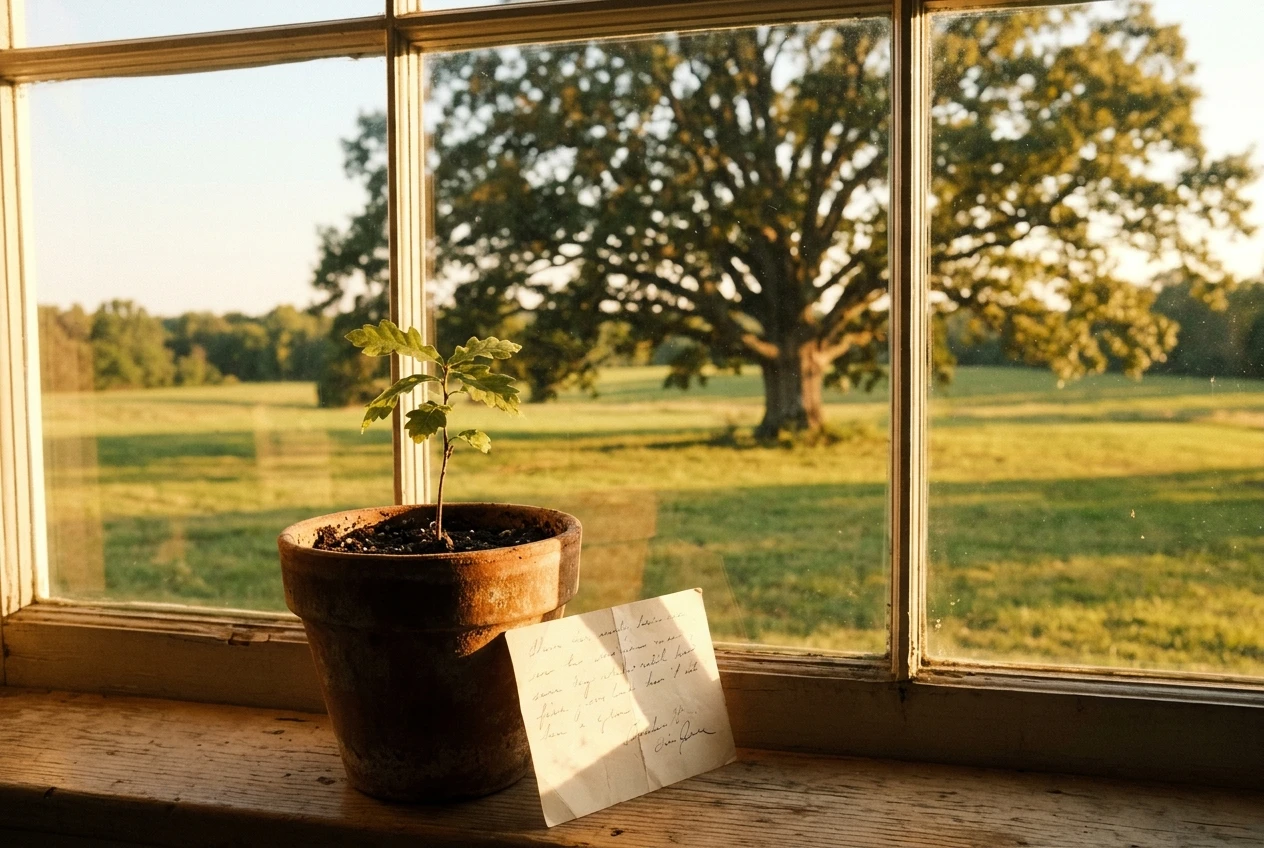
- What would a new reader find when they arrived? A clear starting point? Honest answers?
- What would a person who joined through your recommendation say about how you treated them?
- How would your oldest pages read? Would you still stand behind them?
- What would your habits be? A short monthly review, a regular posting rhythm, a few friendly regulars in the community?
Write the answers in a few lines and keep them where you will see them. When you face a choice, such as whether to exaggerate a claim for a quicker click, or to leave a stale page alone, hold it against that description. Often the answer will be obvious.
Nothing in this requires a first sale, a large audience or a particular amount of experience. It requires deciding that the site is yours to look after, and doing a small piece of that each month.
If you want a gentler picture of the road ahead, read What Your First 90 Days of Affiliate Marketing Can Realistically Look Like, Milestone by Milestone and pick one of the habits above to try this week.