Paying for anything when you have not yet earned a cent online is a reasonable thing to hesitate over. You do not know yet whether you will stick with it, whether the lessons will suit you, or whether the money would be better spent elsewhere. Asking “is Wealthy Affiliate worth it for beginners?” before you pay is the sensible order of events.
One thing to know before you weigh anything I say: this site earns a referral commission when someone stays subscribed to Wealthy Affiliate. That is a reason to check my reasoning against your own, and the test later in this article is built so you can do that without paying anything.
Why “is it worth it?” is really two questions
When people ask whether something is worth the money, they usually mean two different things at once.
The first question is whether you will make money from it. Nobody can answer that for you honestly. Income from an affiliate site depends on the niche you choose, the quality of what you publish, how long you keep going, and plenty of factors outside your control. Anyone who promises a figure is guessing or selling. If you want a plain look at how slow that road tends to be, this article on whether affiliate marketing can change your finances covers it.
The second question can be answered much more reliably: will you come out of it knowing how to do things you cannot do today? Building a site, finding topics people search for, writing articles that help a reader, and promoting products honestly are all skills. You can list them, you can check whether you have them after a few months, and you can compare what it costs to get them through different routes.
This article is about the second question. Judging the cost as skill-building takes pressure off the first one, because a skill stays with you whether or not your first site earns anything.
Looking at the cost as skills you’re buying, not a monthly fee
A monthly fee feels like a bill. It is easier to judge fairly if you write down what you would be getting for it and treat the price as the cost of acquiring each item.

Here are the skills a beginner needs in order to run an affiliate website:
- Choosing a niche you can write about for a long time
- Setting up a website and keeping it working
- Researching what people type into search engines
- Writing articles that answer those searches clearly
- Understanding how affiliate links and recommendations work, and how to use them honestly
- Fixing the small technical problems that every new site runs into
- Working on the site consistently when nothing visible is happening yet
None of these is exotic. Each one is learnable, and each one has value outside affiliate marketing, since a person who can build a site and write useful content can use that for a hobby project, a local venture or a job.
For each skill on that list, ask a plain question: if I did not have access to a structured place to learn this, how would I go about it, and what would that ask of me? The next section works through that. If you want a closer look at what the platform covers before you do, what you actually walk away with from Wealthy Affiliate goes through it in detail.
What learning the same skills piece by piece on your own would ask of you
Learning on your own can work, and it is cheaper at the start. Plenty of the information you need is free. What you pay with is different: your time, your decisions and your patience with confusion.
Here is what the self-taught route usually asks for.
You choose the order. A beginner does not know whether to pick a niche first, buy a domain first, or learn keyword research first. Picking the wrong sequence means redoing work. A structured set of lessons has already made that decision for you.

You sort conflicting advice. One source says to write long articles, another says short ones. One says social media matters, another says ignore it. Without experience you cannot tell which advice fits your situation, so you either freeze or follow whichever voice sounded most confident.
You assemble the setup yourself. A website needs a domain, hosting and a way to publish. Buying and connecting those separately is manageable, but each piece has its own cost and its own set of instructions, and the first time you do it, something will probably not connect the way the guide said. The technical snags that make beginners panic are common and fixable, though they are far less frightening when someone can answer you quickly.
You check whether information is current. Search engines and platforms change. A tutorial written some years ago may describe screens that no longer exist.
You have nobody to ask. This one gets underestimated. A question that would take two minutes to answer from someone who knows can cost a beginner an evening of searching. Five moments where going it alone gets hard lists the points where this tends to bite.
None of that makes self-teaching a bad choice. It means the real comparison is between a monthly fee and the hours, the wrong turns and the loose ends you would carry yourself. Put your own honest estimate on each side. For some people, their time is cheap and their tolerance for confusion is high, and for them the free route is the better one.
The part the price doesn’t cover: your time, patience and follow-through
A membership gives you access. It does not do the work, and nothing about paying makes the lessons sink in.
The input that decides whether the cost pays off is how many hours you put in and for how long. Your site will need articles written, and written steadily. Search traffic usually builds slowly, so for a long stretch you will be working without much visible reward. A beginner who pays, does a burst of lessons in the first fortnight and then drifts away has bought very little.
Be realistic about your week before you decide. How many hours a week starting online really takes gives a straight answer for people with busy lives, and the short version is that a small, regular amount beats an occasional big push.
Patience matters as much as hours. There will be weeks when you publish and nobody visits. Whether you keep going through those weeks matters more than any feature of the platform. If you know you tend to quit when results are slow, that is useful self-knowledge, and it belongs in your decision.
A simple worth-it test you can run before you pay anything
You can gather most of the evidence you need without spending a cent. Try this over a couple of weeks.
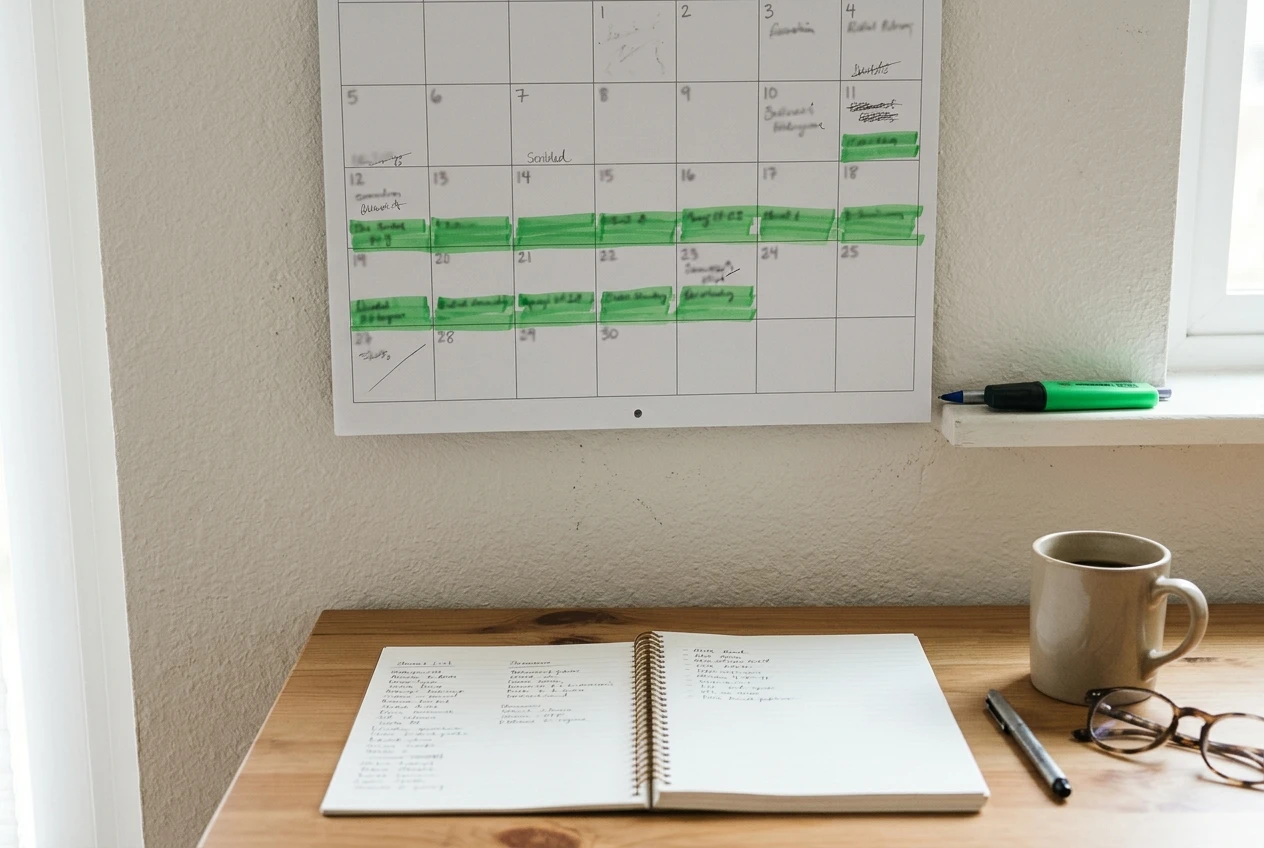
- Create a free account and do the first lessons. Do them properly, not skimming. You are checking whether the teaching style makes sense to you and whether you finish a lesson feeling you could do the thing it described.
- Write your skill list. Copy the list from earlier and add a second column: “how I would learn this otherwise.” If you struggle to fill in that column, the structure has more value to you than it would to someone who already knows.
- Block out your hours. Pick a weekly amount that fits your life and keep it for two weeks. If you cannot keep it, paying will not fix that. If you can, you have evidence of follow-through.
- Set a skills target, not an income target. Decide what you want to be able to do three months from now. For example: “I can build a page, publish an article, and explain how my site would earn.” A target like that can be checked.
- Check the money honestly. Could you pay the monthly fee without needing the site to earn it back? If the answer is no, wait. Paying with money you cannot spare adds pressure, and pressure makes people chase shortcuts.
If you pass all five, paying looks like a reasonable choice. If you fail one, you have found the thing to fix first, and you found it for free. For a closer look at what each level includes, free vs paid starting options breaks it down.
Who this probably isn’t right for, said kindly
Wealthy Affiliate suits some beginners well and others poorly. Neither says anything about your worth or your ability. Here is who I would gently steer elsewhere.
People who need income soon. If rent or bills depend on money arriving in the next few months, a slow-building affiliate site is a risky thing to rely on. It can be a side project alongside other income, but it is a poor emergency plan.
People who do not want to write or create. Building an affiliate site means producing content, week after week. If the idea of writing makes you dread opening your laptop, the work will feel like a chore, and you will find it harder to keep going.
People whose budget is tight. If the fee would strain you, start with the free account and take your time. There is no prize for paying early.
People who already have these skills. Someone who has built sites and written for search before may not need a structured set of lessons and may do fine on their own.
People who want someone else to do it. A membership gives you tools, lessons and a community. The doing stays with you. If you are looking for a done-for-you arrangement, this is a different thing.
People hoping for a quick result. If you want money in weeks, you will likely feel let down by almost any honest route to building an online asset. Choosing a slow approach on purpose is easier when you know that going in.
If you recognise yourself in one of these, that is not a closed door. It may just mean the free account is the right place to stay for now, or that the timing needs to change.
If you decide yes, how to make each month of membership count
Paying is a reason to be deliberate. A few habits make the fee earn its place.

Give every month one skill goal. Instead of “work on my site,” choose something like “get my site set up and publish two articles” or “understand keyword research well enough to pick topics without help.” At the end of the month you can say whether you got there.
Follow the lessons in order. The sequence exists for a reason, and skipping ahead to the exciting parts tends to leave gaps that cost time later.
Use the places where people can answer you. Ask questions in the community when you get stuck, and take part in the live classes inside Learn when a topic matches where you are. Waiting alone for a problem to resolve is the most expensive way to be stuck.
Publish on a schedule you can keep. A small, steady rhythm teaches you more than occasional marathons, because you practise the whole cycle of choosing, writing and publishing again and again.
Review once a month. Look at your skill list and mark what you can now do without help. If a month passes and nothing on the list has moved, change something about how you are working before you pay for another month.
Be clear about what comes later. Many beginners wonder whether they should move to a higher level of membership. Five signs you’re ready to upgrade, and three that say wait will help you decide when that question arises.
Worth is something you check each month against what you have learned and built. If the answer stays yes, keep going. If it turns into no, you can stop knowing exactly why.
Create a free Wealthy Affiliate account and work through the first lessons yourself before you decide whether paying for anything makes sense for you.