The first weeks of a new website are quiet in a way nobody warns you about. You have a domain, a theme, maybe three posts, and a visitor counter showing zero or one (usually you). Doubt shows up in that stretch for almost everyone, and it says very little about whether the site will work.
This guide covers how to stay motivated when starting a website, using small habits instead of waiting for a burst of enthusiasm.
Why an empty website feels so heavy (and why it’s completely normal)
A new site has no history. Search engines have to find your pages, read them, and decide where they belong, and that takes time no matter how good the writing is. Until it happens, nobody has a route to your site except people you send there yourself.
The heaviness comes from a gap between effort and feedback. You sat down, wrote something, and published it. In most areas of life, effort gets a response. Here the response is delayed, so the work feels like it disappeared.
Your brain fills that silence with explanations: maybe I picked the wrong topic, maybe I’m not cut out for this, maybe everyone else figured it out faster. Those are guesses, and the data they rest on is the traffic counter, which at this stage can’t tell you anything about your ability or your niche. A site with eight posts and no visitors looks the same whether it will do well or not. Treating zero traffic as a verdict on you is like judging a seed by checking the soil surface the day after planting.

Swap the motivation you’re waiting for for a habit you can start today
Motivation is a feeling, and feelings are unreliable on schedule. If you only work when you feel inspired, your output depends on your mood, and the quiet stretch is exactly when your mood is lowest.
A habit works differently. You decide in advance when you will sit down and what the smallest acceptable session looks like, so the decision is already made when the feeling is missing. Many people report that the feeling shows up after they start, not before.
Pick a time that already exists in your day. After breakfast, during a lunch break, or right after the kids are in bed all work, as long as it is the same slot most days. Attaching the session to something you already do means you never have to remember it.
Then make the session small enough that skipping it feels silly. That is where the 20-minute minimum comes in.
Your 20-minute minimum session: what counts and what doesn’t
Set a timer for 20 minutes. Once it is running, you have done your minimum for the day, and anything after that is a bonus. Twenty minutes is short enough to start on a bad day and long enough to produce something real.

What counts:
- Writing part of a post, even a rough half of it
- Finishing and publishing a post that is nearly done
- Researching one question your future readers might ask
- Editing an older post to make it clearer
- Fixing something on the site, such as an About page or a broken menu link
- Answering a question from another beginner in a community, which also builds your own understanding
What doesn’t count:
- Refreshing your visitor stats
- Changing fonts, colors, or logos for the fourth time
- Reading about other people’s sites and comparing yours
- Watching more tutorials without applying any of it
The second list is not forbidden. Those things are just easy to mistake for work, because they feel busy. A useful test is to ask whether something on your site is different when the timer ends. If a page is longer, clearer, published, or fixed, the session counted.
If you are unsure what to work on, a gentle weekly structure helps. Our first 30 days roadmap lays out one small focus per week, so you can pick your next 20 minutes from it instead of deciding from scratch each day.
Keep a progress log that tracks what you did, not what visitors did
A visitor count measures things you can’t control yet. A progress log measures the things you can, which makes it a more honest scoreboard for this stage.
Use a notebook, a note on your phone, or a simple spreadsheet. Each session gets one line with four parts:
- The date
- How many minutes you worked
- What you did, in one sentence
- What you will do next time
The fourth part matters most. Ending a session by writing down the next small task means tomorrow’s session starts without the “what should I do?” pause, and that pause is where many people give up for the day.

At the end of each week, add up three numbers: sessions completed, posts published or improved, and total minutes. Do not add a column for visitors. You can look at traffic occasionally, once a week at most, but keep it separate from the log so that a flat number never cancels out a week of real work.
The log also protects you from a quiet form of self-deception. On a discouraged day it is easy to believe you have done nothing. A page of dated entries says otherwise, and it is evidence you can read instead of a feeling you have to argue with.
What to do on the days you skip (because you will)
You will miss days. Illness, a busy week, a bad mood, or plain forgetting will interrupt you, and the plan has to account for that instead of pretending it won’t happen. Most habits fail because of what happens after a missed day: the person decides the streak is broken, feels guilty, and avoids the thing that makes them feel guilty.
Decide your response now, while you are calm:
- Do a five-minute version. Open the site and fix one typo, or write one paragraph. It keeps the habit alive on days when twenty minutes is impossible.
- Do not catch up. Working double the next day to make up for a missed one turns the habit into a debt, and debts are unpleasant to return to.
- Never skip twice in a row. One missed day is a gap. Two starts to become a new pattern, so the second day gets at least the five-minute version.
- Log the skip honestly. Write “skipped, tired” in your progress log. It removes the shame, and over time it shows you which days tend to be hard so you can plan around them.
If you miss a whole week, restart with a single 20-minute session and nothing more. You do not owe the site an apology or a catch-up plan. The site is still where you left it.
Who to talk to when the quiet gets loud
Doubt grows when it has no one to answer it. Working alone with an empty site means every discouraging thought goes unchallenged, and it tends to sound more convincing at 11pm than it does in daylight.
Talk to people who understand the stage you are in. Another beginner can tell you their site was also empty in week two, and a more experienced builder can tell you what they would focus on in your position. A community of people building sites at the same time is useful for that reason: you can see that your quiet site is not unusual. Our guide on how to use the Wealthy Affiliate community is written for people who feel shy about posting, and it shows how to start with small questions.
A friend or family member who does not know anything about websites can still help. You don’t need advice from them. Telling them “I have a 20-minute session scheduled tonight” gives you someone to report to, and that is often enough.
Be a little careful about whom you compare yourself with. Screenshots of other people’s traffic or income show their results after a long time, with no picture of their first quiet weeks. They are a poor measure of where you should be now.
Small signs your site is filling up even when traffic isn’t
Traffic is the last thing to change, so look for earlier changes that are real and measurable:
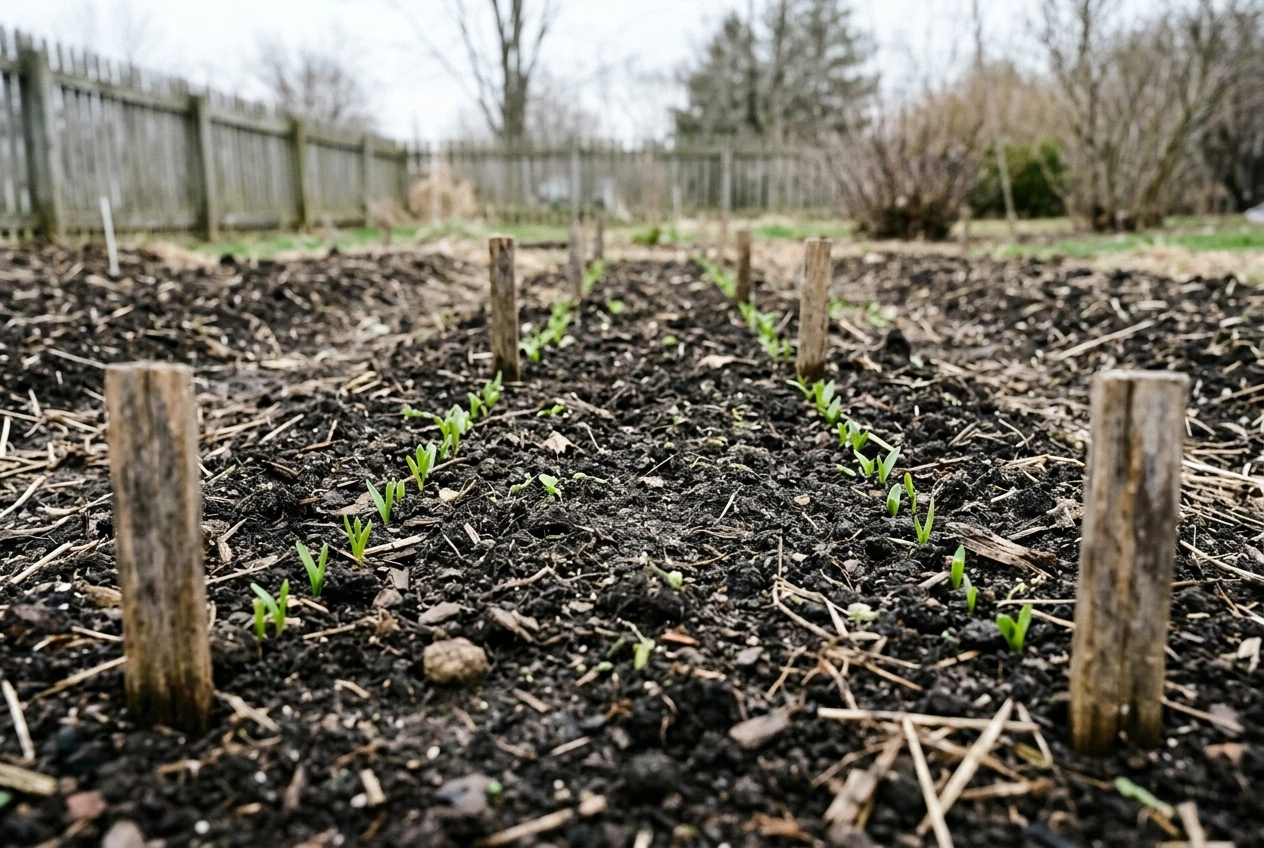
- The site has more on it. Count published posts and pages, and compare to the first week.
- You write faster. A post that took you a whole evening at the start may take far less now. That is skill, and it is yours permanently.
- You understand your own site. You know where to find the editor, how to add an image, and how to fix a menu. Early on, these were obstacles.
- Your ideas have a pattern. You can now name topics your readers will ask about, which means your niche is becoming clearer.
- You have stuck to a schedule. Showing up repeatedly while nothing rewards you is the harder skill, and most people who start online never practice it.
Those changes are the groundwork that traffic eventually lands on. When visitors do begin to arrive, they find pages that already exist and a builder who knows how to improve them.
If you want to see which common early mistakes can be avoided while you wait, the mistakes most new affiliate marketers make is a good short read for a rest day.
A gentle way to look back after your first month of showing up
After about four weeks of sessions, set aside half an hour to read your whole progress log from the first entry. Read it as a record of what happened and skip any judgment about it.
Then answer four questions in writing:
- How many sessions did I complete, and how many did I skip?
- What is on my site now that was not there at the start?
- Which kind of session did I find easiest, and which did I put off?
- What is one small change that would make next month easier?
The fourth question is the useful one. If mornings worked and evenings didn’t, move your slot. If twenty minutes felt too long, shorten it to fifteen for a while. If writing was the part you avoided, schedule shorter writing blocks and put an easier task right before them.
Do not set a traffic target as part of this review. Choose a target you control, such as a number of sessions or posts for the month ahead. Traffic will respond to that work on its own timeline, and your job in the meantime is to keep the site growing.
Keep going with support around you
If doubt is creeping in, read our guide to free vs paid starting options to see what support you can lean on, and pair it with the community guide so you’re not sitting alone with an empty site.