Someone posts a screenshot of an earnings dashboard with a caption about how fast it happened. Another promises you can make money this week with a method that takes an afternoon to set up. If you are new and still working out where to click, it is hard to scroll past either one without feeling you should be doing something faster.
This article gives you a simple test for sorting those opportunities, then walks through what a slower week looks like on a new website. The aim is that you leave with a way to decide, so you are not relying on willpower alone.
Why the quick win feels so good (and why that is not your fault)
People are built to respond to rewards that arrive soon. A promise of money this week gives your mind something concrete to picture. A promise of “a site that may bring in readers in several months” gives it almost nothing to hold.
Beginners are also at a disadvantage because they cannot yet judge what they are looking at. When you do not know how long things normally take, an overnight-success story seems as believable as any other. A screenshot shows one number on one day. It does not show what was spent, how long the person had been working, or whether the figure ever came back.
So the pull you feel is a normal reaction to a well-built pitch, and it says nothing about your discipline. What helps is having a question ready that you can ask before you act on it.
The brick and firework test: three questions to ask before you chase anything
A firework gives a burst of excitement and then it is over. A brick is dull to look at, but it stays where you put it, and the next one goes on top. Before you spend time or money on any opportunity, ask three questions.
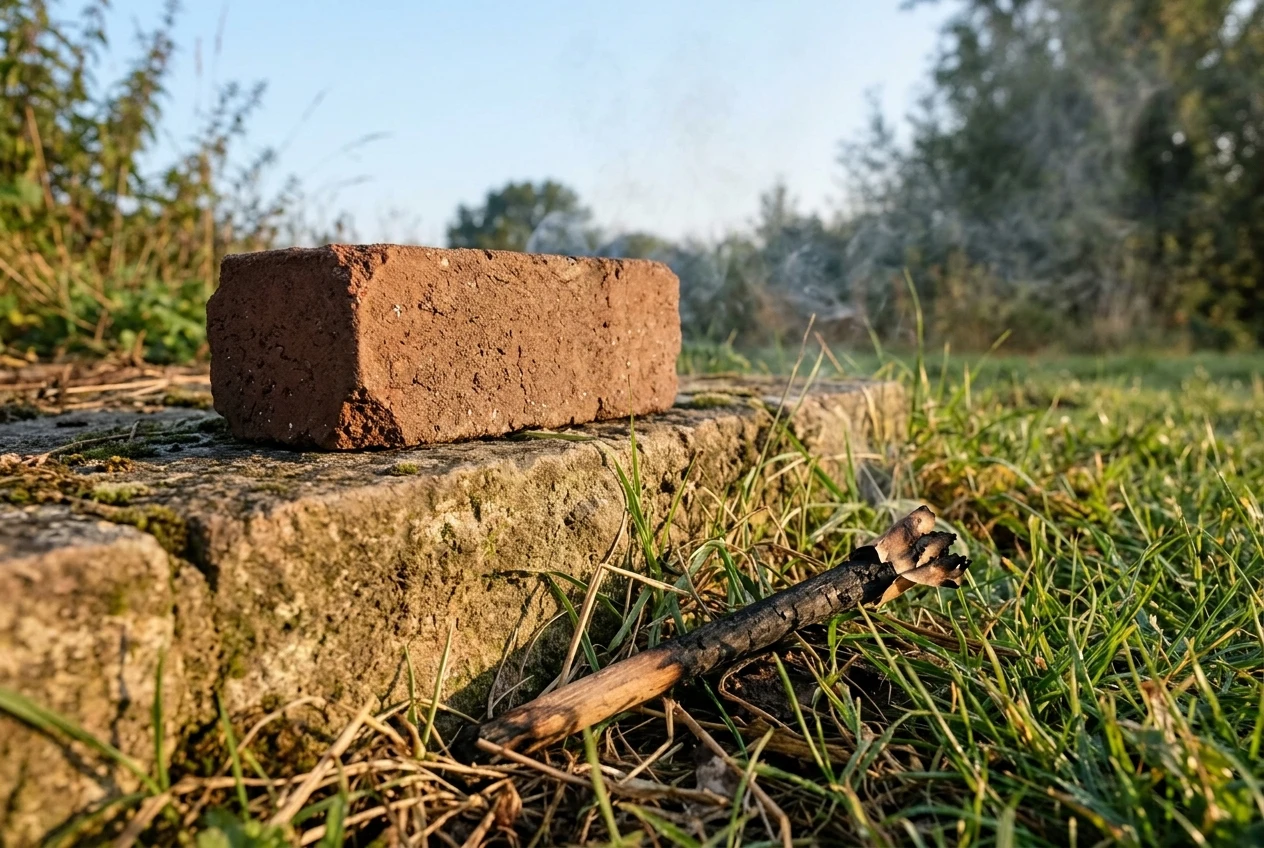
- Will this still be working for me in a year? If the answer depends on you repeating the same push every week just to keep it alive, it is closer to a firework. A helpful article that answers a real question can keep being found long after you wrote it.
- Will I own something or know something at the end? A published page on your own site, a skill you can now do, or a list of questions your readers actually ask are all things you keep. A one-off spike of attention you cannot trace to anything leaves you with nothing to build on.
- Can I check whether it worked using a number I trust? If the only evidence is a feeling of momentum, you cannot tell whether it did anything. If you can point to something specific, such as a page that gets read or a question that stopped coming up, you can learn from it either way.
An opportunity does not need three yeses to be worth your time. But if it gets three noes, you now know what you are buying, which is a few hours of excitement. Sometimes that is fine, as long as you chose it knowingly and it did not replace the work you meant to do.
What quick-win thinking looks like in a beginner’s first weeks
Quick-win thinking rarely announces itself. It usually looks like being busy. A few common forms:
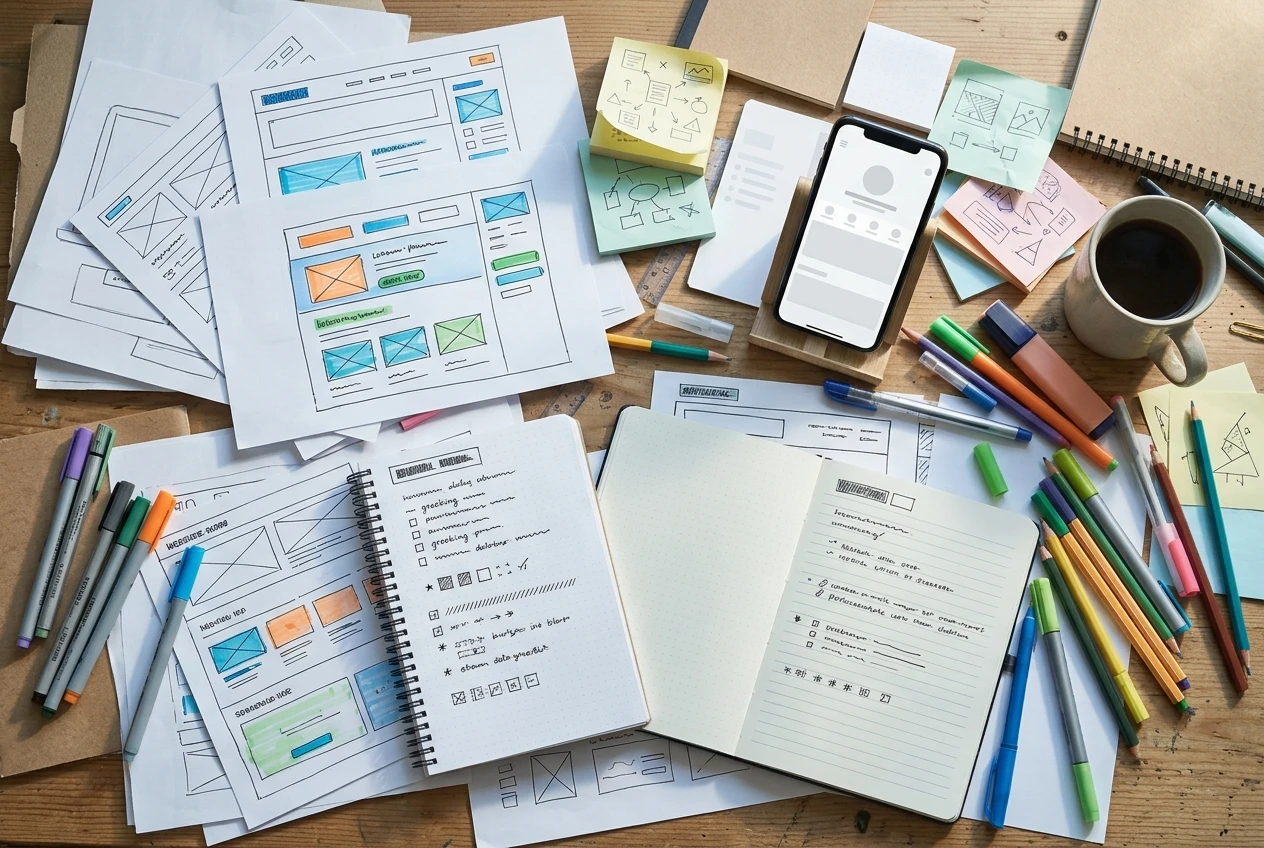
- Changing your site’s theme and colors repeatedly before there are more than two pages to look at.
- Switching topics each time a new income story catches your eye, so no subject ever gets more than a few posts.
- Signing up for a new tool or course whenever a fresh idea appears, and starting it before finishing the last one.
- Refreshing your visitor count several times a day in the first weeks, when the honest figure is probably very small.
- Writing about whatever is trending this week, even when it has nothing to do with the people you want to help.
Each of these feels productive in the moment. The trouble shows up a month later, when you have a lot of activity and very little that a stranger could read, use or learn from. The test above is meant to catch this early, while changing course costs you almost nothing.
If you recognize several of them, that is useful information and not a failing. Most people starting out do some of this, and the fix is small and practical, as the rest of this article shows.
What a brick actually looks like: one helpful post, one improved page, one question answered
A brick is small enough to finish in a sitting and useful enough that someone could benefit from it without knowing you. Three kinds cover most of what a new site needs.
One helpful post. Pick a question a beginner in your topic would really type into a search box, and answer it fully. Write it in plain words, as if explaining it to a friend across the table. Publish it even if it feels ordinary, because ordinary and clear is exactly what readers want.
One improved page. Open something you already published and make it better. Fix the sentence that confuses you when you reread it, add the missing step, or tighten the opening so the reader knows within a few lines that they are in the right place. Improving an existing page is building, and it gets overlooked because it feels less exciting than starting something new.

One question answered. Go to where your readers or fellow beginners ask things, whether that is a comment, a community thread or a message, and give a real answer. The answer shows you what people struggle with, and often it becomes the outline for your next post.
None of these will produce a screenshot. All of them will still be there next month, and each one makes the next easier to write.
Vanity numbers versus numbers that tell you something true
A vanity number is one that feels good or bad without telling you what to do next. A true number points at an action.
Total visitors in a day can be a vanity number, particularly if one share or a stray click made it jump. Follower counts and the number of posts you have published can be too. They show effort or attention, but they do not show whether anyone found what they needed.
Numbers that tell you more are specific ones:
- Which individual pages get read at all, and which get none.
- Whether readers stay on a page or leave straight away, if your tools show this.
- Which questions people ask you repeatedly, since each one is a post waiting to be written.
- Whether a page you improved is read more than it was before you changed it.
In the first weeks, expect all of these to be small. A page with five readers is still a real signal: you can read it again, ask whether it answers the question in its title, and improve it. A big number you cannot act on teaches you less than a small one you can.
A calm weekly rhythm for building slowly without feeling like you are falling behind
A steady rhythm works better than occasional bursts, because it takes the daily decision out of your hands. Here is one example you can shrink or stretch to fit your own week. Treat it as a starting layout and adjust the days.

- Early in the week: choose. Decide on the one brick for the week. Write it down so you are not renegotiating it on Thursday.
- Midweek: build. Do the main work. Write the post, or revise the page. Stop when it is clear and useful, even if it is not perfect.
- Later in the week: answer. Spend a short session replying to a question from a reader or another beginner. Note anything that surprised you.
- End of the week: look. Check one or two true numbers from the list above, and write a single line about what you would change. Then close the laptop.
If you want to know how much time this needs, the article on how many hours a week starting online really takes goes through it for busy schedules. Because only one brick is planned, a week with little time still counts. A small brick laid on a bad week is worth more than a large plan you abandon by Wednesday.
Feeling behind usually comes from comparing your week one to someone else’s month twelve. The rhythm gives you a different comparison: did I lay this week’s brick? That question has an answer you control.
When someone else’s income screenshot lands in your feed: what to do with it
You will keep seeing them, so it helps to have a response ready. Run the screenshot through the same three questions. Is the method still going to work in a year? Would you own something at the end? Could you check, with a number you trust, that it works?
Then look at what the post leaves out. It rarely says how long the person worked before the screenshot, what they spent, or whether the number repeated. If the post cannot answer those, you cannot learn much from it, however impressive the figure.
After that, close the app and go back to your brick. If the feed leaves your site feeling empty, the piece on what to do on the days your new website feels empty covers that moment in more detail.
Your next small brick: one thing to do this week
Choose one brick from the three kinds above. If your site has no posts yet, write the helpful post. If it has a few, reread the weakest and improve it. If people have already asked you something, answer it properly and keep the answer.
For a gentle week-by-week structure to hang these bricks on, see your first 30 days as an affiliate marketer, which breaks the first month into one small habit at a time.
Pick one small brick to lay this week, and if you would like a patient place to build it alongside people who remember being new, take a look at starting with Wealthy Affiliate’s free option and see how it feels before you commit to anything.